
A new dental crown can significantly improve your oral health and appearance. Dental crowns in Arlington Heights help treat a wide range of dental conditions and are vital for both root canals and dental implants in Chicago. Proper maintenance better ensures the longevity of your restoration. Understanding the care requirements of a dental crown is crucial for long-term success and bite functionality.
Immediate Post-Procedure Care
After receiving a dental crown, avoid hard or sticky foods for at least 24 hours. These foods can dislodge or damage the crown. Chew on the opposite side of your mouth to protect the new crown. Your dentist may recommend over-the-counter pain relievers to manage discomfort. Follow their advice to ensure proper healing. The initial days are crucial for the crown to settle. Avoid pressure on the crown during this period. If you experience persistent pain, contact your dentist. They can assess the situation and provide appropriate guidance.
Maintaining Oral Hygiene
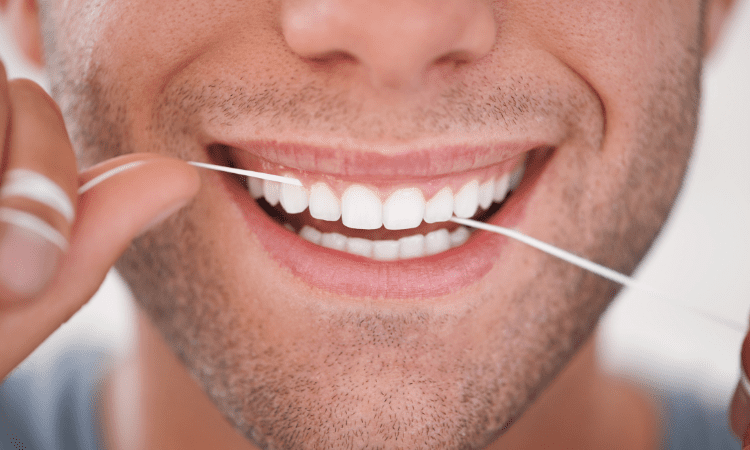
Good oral hygiene is crucial for maintaining your dental crown. Brush your teeth at least twice daily using a soft-bristled toothbrush. Use fluoride toothpaste to strengthen your teeth. Floss daily to remove plaque and food particles between your teeth. Dental crowns can accumulate plaque, which can lead to gum disease or decay. Use a gentle technique to avoid damaging the crown. Consider using an antimicrobial mouthwash to reduce bacteria. Regular flossing prevents plaque buildup around the crown margins. Pay attention to the gum line, as it is prone to plaque accumulation. Proper oral hygiene practices can help extend the life of your crown.
Regular Dental Check-Ups
Schedule regular dental check-ups every six months. Your dentist can monitor your dental crown’s condition. They will check for signs of wear, damage, or decay. Early detection of issues often prevents bigger problems later. Professional cleanings also remove plaque and tartar to maintain your oral health. Regular visits let your dentist assess the crown’s fit and function. They can recommend adjustments if necessary. These appointments also give you a chance to discuss any concerns you may have. Your dentist can provide tailored advice based on your oral health status.
Avoiding Harmful Habits
Certain habits can damage your dental crown. Avoid chewing ice or using your teeth to open packages. These actions can crack or dislodge the crown. If you grind your teeth at night, consult your dentist. They may recommend a night guard to protect your crown and teeth. Avoid smoking, as it can stain your crown and harm your gums. Habits like nail-biting or chewing on pens can also damage the crown. Being aware of these habits and making a conscious effort to avoid them is beneficial.
Dietary Considerations
Your diet affects your dental crown’s health. Limit sugary foods and drinks, which can lead to decay. Acidic foods and beverages can erode your crown and natural teeth. Rinse your mouth with water after consuming these items. Eat a balanced diet rich in fruits, vegetables, and lean proteins. These foods support overall oral health. Calcium-rich foods strengthen teeth and bones. Vitamin C-rich foods support gum health. A balanced diet contributes to the longevity of your crown. Moderation is key when consuming foods that may harm your dental crown.
Recognizing Signs of Problems
Watch for signs of issues with your dental crown. Sensitivity to hot or cold temperatures may suggest a problem. Pain or discomfort when biting down also warrants attention. If your crown feels loose or becomes dislodged, contact your dentist immediately. Early intervention could prevent further complications. Check your crown regularly for visible damage or wear. Changes in your bite may indicate crown issues. Addressing these signs promptly with your dentist can prevent more extensive treatment. Awareness and vigilance play a significant role in maintaining your dental crown.
Addressing Concerns with Your Dentist
Communicate any concerns or questions with your dentist. They can provide guidance on caring for your dental crown. If you experience persistent issues, seek professional advice promptly. Your dentist can offer solutions to ensure the health of your crown and teeth. Open communication helps you better understand your dental needs. Your dentist can tailor advice to your specific situation. Regular discussions about your oral health can prevent potential issues. A good relationship with your dentist supports long-term dental health.
At Dazzling Dentistry, our team provides excellent care and guidance for all your dental needs. If you have concerns about your dental crown, we are here to help. Contact us today to schedule a consultation and learn how to protect your dental restorations.