
Missing teeth impact your ability to eat, speak, and live with confidence. At Dazzling Dentistry, we help patients across Chicago and the northwest suburbs restore their smiles with permanent, natural-looking dental implants.
Dr. Margaret Radziszewski (Master of the Bioclear Matrix System) and Dr. Weronika Dabros (Bioclear-trained) coordinate complete implant care at both our Chicago and Arlington Heights locations. From your initial consultation to your final custom crown, we’re with you every step of the way.
Why Choose Dazzling Dentistry for Your Dental Implants?
Dr. Margaret Radziszewski holds a Mastership in the Bioclear Matrix System. This advanced credential in cosmetic composite restoration reflects her commitment to exceptional outcomes. She has completed rigorous training and mentorship under leading pioneers in modern dentistry.
Dr. Weronika Dabros is also Bioclear-trained, having completed advanced education at the Bioclear Learning Center in Seattle, Washington.
Together, they ensure your implant restoration is beautiful, with a custom crown that matches your natural teeth in color, shape, and translucency.
What Is a Dental Implant?
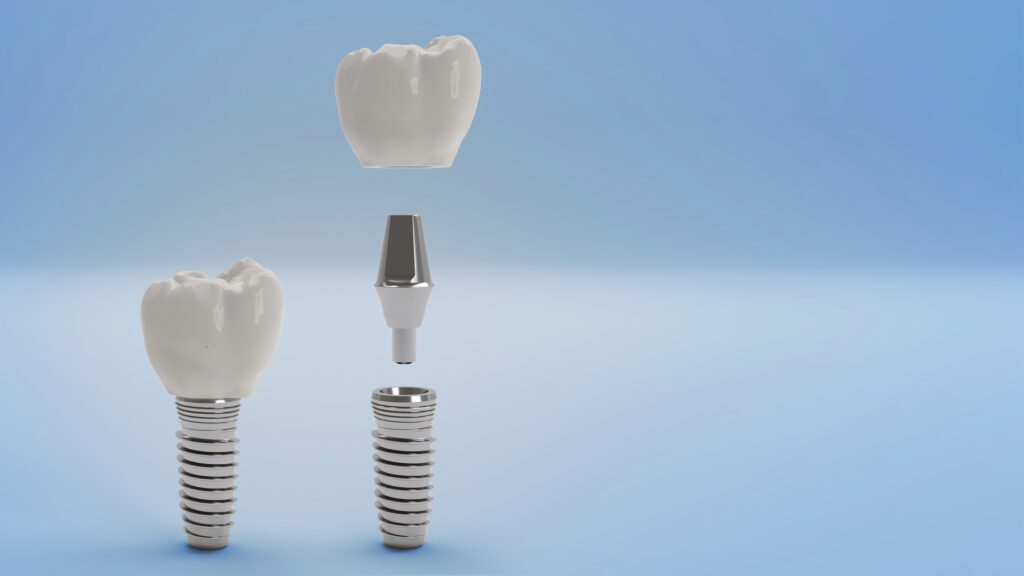
A dental implant has three main parts that work together to create a permanent, natural-looking tooth replacement.
- The Implant Post: A small titanium screw placed in your jawbone. It acts as the root of a natural tooth and provides a stable foundation. Over time, your jawbone fuses with the implant through a process called osseointegration.
- The Abutment: A connector piece that attaches to the implant post. It sits above the gum line and holds your new restoration in place.
- The Restoration: The visible part of your new tooth. For a single missing tooth, we provide a custom crown. For multiple missing teeth, we recommend implant-supported bridges or dentures.
Benefits of Dental Implants
Dental implants are the gold standard for tooth replacement because they offer advantages that bridges and dentures simply can’t match.
- Built to Last: A dental implant acts like a new tooth root, fusing directly to your jawbone to form an incredibly strong foundation. With proper care, an implant can last a lifetime, unlike bridges or dentures, which need replacement every 5-15 years.
- Protects Your Healthy Teeth: Unlike a bridge that requires grinding down neighboring teeth, an implant stands on its own. This preserves all your natural, healthy tooth structure. Your adjacent teeth remain untouched and intact.
- Feels Secure & Natural: Once healed, implants are fixed in place and won’t slip or shift like dentures. The custom crown looks and feels just like a real tooth, so you can eat, speak, and smile with total confidence.
- Preserves Your Face Shape: The implant post stimulates your jawbone, just like a natural root. This prevents bone loss that can cause your face to sag and look older over time, helping you maintain a youthful facial structure.
- Success Rate: Dental implants have a 95-98% success rate among healthy patients with good oral hygiene.
Am I a Candidate for Dental Implants?
Choosing the right restorative option is a personal decision. During your consultation, Dr. Radziszewski or Dr. Dabros will help you make an informed choice based on your unique needs. Several factors determine whether you’re a good candidate.
Healthy Gums
For dental implants to work well, you need healthy gums. Healthy gums provide a strong foundation for the implant to bond with the bone. Gum disease or gum infections can prevent proper healing. If your gums need attention, we provide periodontal disease treatment before implants.
Good Bone Density
You must have enough bone in your jaw to support the implant. The implant needs a solid foundation, just like the roots of your natural teeth. If you’ve had missing teeth for a long time, the bone in your jaw may have weakened or shrunk, making it difficult to support an implant. In cases like this, we may recommend bone grafting.
Good Overall Health
You want to be in good overall health before getting dental implants. Surgery and healing can be challenging for people with certain health conditions. If you have uncontrolled health issues like diabetes or heart disease, or if you’re on medications that affect healing, we’ll review your health history. For example, conditions like diabetes can slow healing and increase infection risk. We may ask your doctor for approval before implant surgery.
No Smoking or Heavy Alcohol Use
Smoking and heavy drinking can slow healing and increase the risk of complications. Smoking reduces blood flow to your gums and bones, making it harder for the implant to bond with the bone. Alcohol can affect healing and increase the likelihood of infection. If you smoke or drink heavily, we may suggest quitting or reducing these habits before getting implants to ensure a better outcome.
Patient Review
Do You Need a Bone Graft Before Implants?
Many patients who have been missing teeth for years have experienced some bone loss. This doesn’t disqualify you from implants, because it may just require an additional step.
Bone grafting adds bone material to your jaw, creating a strong foundation for implants. Dr. Radziszewski can coordinate this treatment with local oral surgeons, with the procedure performed in our partner surgical offices. After grafting, you’ll wait 4-6 months for the bone to heal before implant placement.
With modern techniques, even patients told they “don’t have enough bone” can still be candidates for dental implants.
Types of Dental Implants We Offer
- Single Tooth Implant: When a single tooth is missing, a dental implant is the best choice. It replaces both the visible tooth and the root structure without affecting neighboring teeth. Our team coordinates with local oral surgeons to place the implant, then crafts your custom crown to match your natural teeth.
- Multiple Dental Implants: If you’re missing several consecutive teeth, an implant-supported bridge offers stable, comfortable results. Two or more implants support a custom bridge that fills the gap. This option provides the oral health benefits of single implants while restoring multiple teeth at once.
- Full Arch Restoration (All-on-X): For patients missing all teeth in an upper or lower arch, All-on-X implant systems offer a permanent, secure solution using just 4-6 implants per arch. Unlike traditional dentures, All-on-X restorations don’t slip, don’t require adhesives, and restore nearly full chewing power.
Many patients can receive temporary teeth on the same day as implant placement, called “Teeth-in-a-Day.” The permanent, custom-crafted restoration is placed after healing is complete, typically within 4-6 months.
Learn more about All-on-X implants at Dazzling Dentistry →
What to Expect: Your Dental Implant Treatment Journey
Before treatment, Dr. Radziszewski or Dr. Dabros will perform a thorough exam and take digital X-rays to assess your oral health. She uses advanced imaging to evaluate areas of bone loss, infection, or damage. Here’s what to expect after your initial exam.
- Pretreatments: We provide treatments such as tooth extractions, gum disease treatment, and bone grafting before placing implants. These pretreatments ensure you’re healthy enough for implant surgery. While they may add to your overall treatment time, they help prevent problems such as implant failure.
- Implant Surgery: Dr. Radziszewski coordinates with a local implant surgeon to place your implants. The oral surgeon first numbs your mouth with an anesthetic to ensure you don’t feel any pain. Then, the surgeon places the titanium implant post into your jawbone. The procedure typically takes 1-2 hours per implant.
- Healing Phase (3-6 months): After implant placement, the area needs time to heal and bond with the bone. During a process called osseointegration, the implant post fuses with your healthy jawbone. This creates a rock-solid foundation for your new tooth. We’ll provide a temporary restoration so you’re never without teeth.
- Impressions & Restoration Design: Once healing is complete, we’ll take digital impressions of your teeth to design your custom replacement tooth. These impressions help us create a restoration that fits perfectly with the rest of your smile. We also order the abutment that connects the restoration to the implant.
- Crafting Your Crown, Bridge, or Denture: We work with a specialty dental lab that designs your restoration. The lab carefully crafts your natural-looking crown, bridge, or denture to match the size, shape, and color of your existing teeth, so it blends seamlessly into your smile.
- Final Restoration: Once your custom restoration is ready, you’ll return to our office. Dr. Radziszewski or Dr. Dabros will attach the restoration to your implant, ensuring a comfortable fit and natural appearance.
Dental Implant Cost & Financing Options
We know cost is one of the biggest questions patients ask before committing to dental implants. It’s a fair question. Implants are an investment in your smile and overall health. You deserve clear answers before you decide.
What Affects the Cost of Dental Implants
Every patient’s situation is unique. That’s why we can’t give you a one-size-fits-all price. The cost of your implant treatment depends on several factors:
- How many teeth you’re replacing. A single implant is different from a full-arch restoration.
- Whether you need bone grafting. Some patients need a stronger foundation before we can place implants.
- The type of final restoration. You might choose a crown, a bridge, or an implant-supported denture.
- Any additional treatments. Sometimes we need to address gum health or other concerns first.
We don’t give “ballpark” quotes over the phone. That wouldn’t be fair to you. Instead, we complete a thorough evaluation and give you a detailed, written estimate. You’ll know exactly what to expect before we begin.
Does Insurance Cover Dental Implants?
Many dental insurance plans now offer partial coverage for implant treatment. Coverage varies by plan, but it often covers a percentage of the restorative portion after you meet your deductible.
Our team will verify your benefits before treatment begins. We’ll also file your claims and work to maximize your coverage. You’ll know your out-of-pocket costs upfront, with no surprises.
Financing Options That Make Implants Affordable
Cost shouldn’t stand between you and a healthy smile. That’s why we offer several ways to make implant treatment fit your budget.
We work with CareCredit and other third-party financing partners. These options let you break your treatment into manageable monthly payments. Many plans offer low-interest or no-interest promotional periods for qualified patients.
We’ll discuss all your financing options during your consultation. Our goal is to help you get the care you need without financial stress.
Frequently Asked Questions About Dental Implants
How long do dental implants last?
With proper care and regular dental check-ups, the implant post can last a lifetime. The crown may need replacement after 10-15 years of normal wear, but the implant itself is designed to be permanent.
Is the implant procedure painful?
Most patients report minimal discomfort. We use effective local anesthesia during placement, and any soreness afterward is typically mild and manageable with over-the-counter pain relievers. Many patients compare it to having a tooth extracted.
How do I care for my dental implants?
Caring for implants is just like caring for natural teeth. Brush twice daily, floss, and visit us regularly for check-ups and cleanings. Implants don’t get cavities, but the surrounding gums can still develop inflammation (called peri-implantitis) if neglected. We’ll show you how to properly clean around your implants.
How long does the entire implant process take?
The complete process typically takes 4-9 months from start to finish. This includes initial consultation (1 visit), implant placement surgery (1 visit), healing period (3-6 months), and final crown placement (1-2 visits).
Can I get implants if I have bone loss?
Yes. Many patients with bone loss are still candidates for implants after bone grafting. Dr. Radziszewski will evaluate your jawbone during your consultation and recommend the appropriate treatment plan.
Schedule Your Implant Consultation Today
Replace missing teeth with dental implants at Dazzling Dentistry in Chicago or Arlington Heights, IL. Dr. Margaret Radziszewski and Dr. Weronika Dabros are here to help you restore your smile, your confidence, and your quality of life.
Dental Implants in Chicago, IL
Our Chicago dental office is located at 6941 W. Archer Ave and conveniently serves patients in Garfield Ridge, West Lawn, Archer Heights, Summit, and surrounding southwest side neighborhoods. We’re proud to be your local choice for complete implant care on Chicago’s southwest side.
We serve Chicago neighborhoods, including:
- Garfield Ridge
- West Lawn
- Chicago Lawn
- West Elsdon
- Archer Heights
- Summit
- Bedford Park
- Bridgeview
- Justice
- And the surrounding southwest side communities
Chicago Office: 6941 W. Archer Ave., Chicago, IL 60638. New patients call (872) 276-8546.
Dental Implants in Arlington Heights, IL
For patients in the northwest suburbs, our Arlington Heights office at 102 S. Dunton Ave welcomes patients from across the area. Dr. Radziszewski and Dr. Dabros provide the same advanced implant expertise closer to home.
We serve the northwest suburbs, including:
- Arlington Heights
- Mount Prospect
- Palatine
- Buffalo Grove
- Rolling Meadows
- Wheeling
- Prospect Heights
- Elk Grove Village
- Schaumburg
- Hoffman Estates
- Inverness
Arlington Heights Office: 102 S. Dunton Ave., Arlington Heights, IL 60005. New patients can call (224) 328-2452.
Request an appointment online today. Let’s discuss how dental implants can change your life.