
When you invest in dental implants, you’re making a decision that affects your smile, your health, and your quality of life for years to come. It’s only natural to wonder if your implants will last.
The good news is that dental implant research is extensive. Scientists have studied implants for decades, tracking patients for 10, 15, and even 20 years. The data tells a compelling story. At Dazzling Dentistry in Arlington Heights and Chicago, Dr. Margaret Radziszewski and Dr. Weronika Dabros use this research to guide every treatment decision.
Today, we’ll share what the research says about implant longevity. We’ll cover the success rates, the risk factors, and what it all means for your smile.
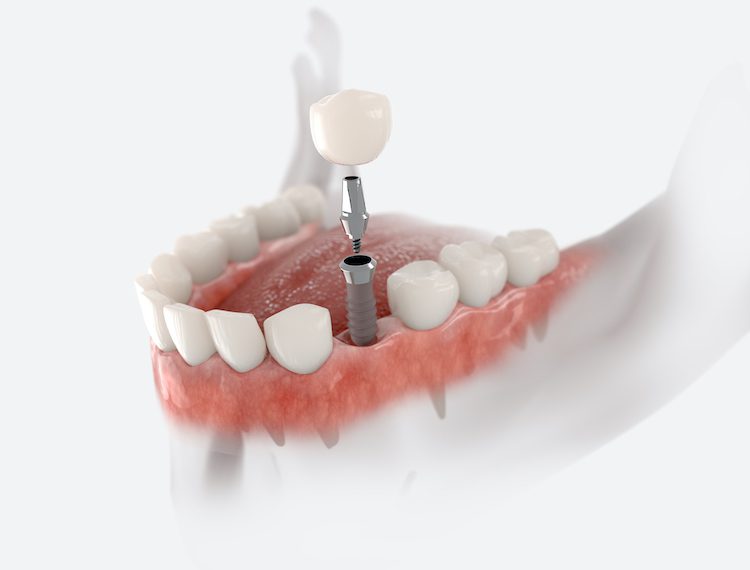
The Headline Numbers: Implant Success Rates Over Time
A 15-year retrospective study followed 650 implants in 200 patients. The researchers tracked risk factors including smoking, bruxism, diabetes, and bone augmentation procedures. The overall success rate was 88% over the study period. That’s a solid number. But it’s important to understand what factors influenced that rate.
Another study specifically examined implant survival in smoking versus non-smoking patients. The research found that dental implants were 100% successful for non-smokers, according to the Dental Implant Health Scale. This striking difference highlights how lifestyle choices affect implant outcomes.
The research tells us something important. Implants can last for decades. But certain factors can significantly impact their longevity. Understanding those factors is the key to protecting your investment.
What the Research Says About Risk Factors
Not all implants last equally long. Research has identified several factors that influence how long your implant will survive. Here’s what the science says.
Smoking
Smoking is one of the most significant risk factors for implant failure. A consensus report from the International Dental Journal found that smoking is an important risk indicator for the development of peri-implantitis and implant loss. Compared with non-smokers, smokers have a higher potential for pathological peri-implant bone loss.
The same study noted that poor oral hygiene also influences this risk. So if you smoke and don’t take excellent care of your implants, your risk goes up even more.
Dr. Radziszewski and Dr. Dabros discuss smoking cessation with every implant patient. They want to give you the best chance for a successful, long-lasting result.
Bruxism (Teeth Grinding)
Teeth grinding, or bruxism, is another major factor. A retrospective analysis of implant failures found that patients who experienced multiple implant failures suffered from circumstances including bruxism, as well as personal grief, depression, and addictions.
Another 15-year study confirmed that bruxism plays an important role in dental implant success rates.
Why does grinding matter so much? Because implants don’t have the shock-absorbing periodontal ligament that natural teeth have. The Dawson Academy teaches that implants, like ankylosed teeth with no periodontal ligament to act as a shock absorber, lack the mechanoreceptors natural teeth have, limiting the protective feedback that signals force overload.
In plain language? Your natural teeth can sense when you’re biting too hard, and your body adjusts. Implants can’t do that. So when you grind, the implant takes the full force.
Bone Quality and Support
The research shows that patients with better initial bone support have better implant outcomes. The Swedish study found that the control group (patients with successful implants) had better initial bone support than the study group (patients with multiple implant failures).
This is why Dr. Radziszewski and Dr. Dabros evaluate your bone quality before placing implants. If you need a bone graft, they’ll recommend it. A strong foundation is essential for long-term success.
Other Health Factors
The research also identified other factors that can affect implant longevity. These include:
- Long-term medications like bisphosphonate therapy (more than 3 years)
- Selective serotonin reuptake inhibitors (SSRIs) for depression
- Alcoholism (defined as more than 5 units a day)
- Diabetes
This doesn’t mean you can’t get implants if you have these conditions. It means Dr. Radziszewski and Dr. Dabros need to know about them so they can plan your treatment appropriately.
Why the Functional Dentistry Approach Matters
Here’s where Dazzling Dentistry differs from most practices. Dr. Radziszewski and Dr. Dabros don’t just look at the implant itself. They evaluate your entire chewing system.
This approach is rooted in the Dawson Academy philosophy. The Dawson Academy teaches that occlusal disease is the most common reason for restorative failure, yet it often goes undiagnosed. Many failed implants and cases of chronic pulpitis can be traced back to malocclusion.
What does this mean for you? It means that if your bite is out of balance, your implant is at risk. Dr. Radziszewski and Dr. Dabros identify these issues before they cause problems.
The Dawson Academy Difference
Dr. Radziszewski graduated from the prestigious Dawson Academy. She’s among the top 10% of U.S. dentists with this training. The Dawson philosophy focuses on Complete Dentistry, looking at the entire masticatory system, including the jaw joints (TMJ), muscles, and teeth.
The Dawson Academy teaches that achieving clinical success and long-term implant viability requires adherence to biomechanically controlled occlusion. Forces should be directed along the implant body’s long axis while minimizing off-center forces.
This level of attention to detail is rare in dentistry. But it makes a real difference in how long your implant lasts.
Dr. Dabros and Minimally Invasive Care
Dr. Dabros brings her own expertise to every implant case. She trained at the Bioclear Learning Center in Seattle and mastered minimally invasive techniques. The Bioclear Method allows clinicians to create predictable, consistent results that look natural while preserving tooth structure.
Together, Dr. Radziszewski and Dr. Dabros combine top-tier expertise with genuine compassion. This collaborative approach means you benefit from two skilled dentists in Arlington Heights working together on your care.
What You Can Do to Make Your Implants Last
Research is clear about the role you play in how long your implants last. Here’s what you can do:
- Don’t Smoke: Smoking is one of the biggest risk factors for implant failure. If you smoke, talk to Dr. Radziszewski or Dr. Dabros about resources to help you quit.
- Address Grinding: If you grind your teeth, a custom night guard can protect your implants from excessive forces. Dr. Radziszewski and Dr. Dabros can create a guard that fits perfectly and distributes forces evenly.
- Practice Excellent Oral Hygiene: Brush twice a day and floss daily. Clean around your implants carefully to prevent plaque buildup. Research shows that poor oral hygiene, combined with other risk factors, increases the potential for bone loss.
- Visit Us Regularly: Schedule checkups and professional cleanings every six months. Dr. Radziszewski and Dr. Dabros will monitor your implants and catch any issues early.
- Be Honest About Your Health: Tell Dr. Radziszewski and Dr. Dabros about all your medications and health conditions. This helps them plan your treatment appropriately and monitor your progress.
Serving Arlington Heights and Chicago
Dazzling Dentistry has two convenient locations. Our Arlington Heights office is at 102 S. Dunton Ave. Our Chicago office is located at 6941 W. Archer Ave.
We serve patients from throughout Arlington Heights and the surrounding communities, including Mount Prospect, Palatine, Rolling Meadows, Prospect Heights, and Buffalo Grove. We also serve a large Polish community across both offices. Many of our team members speak Polish, so you can feel comfortable communicating in your preferred language.
Schedule Your Implant Consultation
Are you ready to replace your missing teeth with dental implants in Arlington Heights? Do you want to work with a team that understands implant longevity?
At Dazzling Dentistry, we’re ready to help. Dr. Radziszewski, Dr. Dabros, and our team will work with you to create a personalized treatment plan. We’ll answer all your questions, address your concerns, and guide you through every step of the process.
Call (224) 328-2452 today or request an appointment online. We’ll help you take the first step toward a smile you’ll love for a lifetime.